
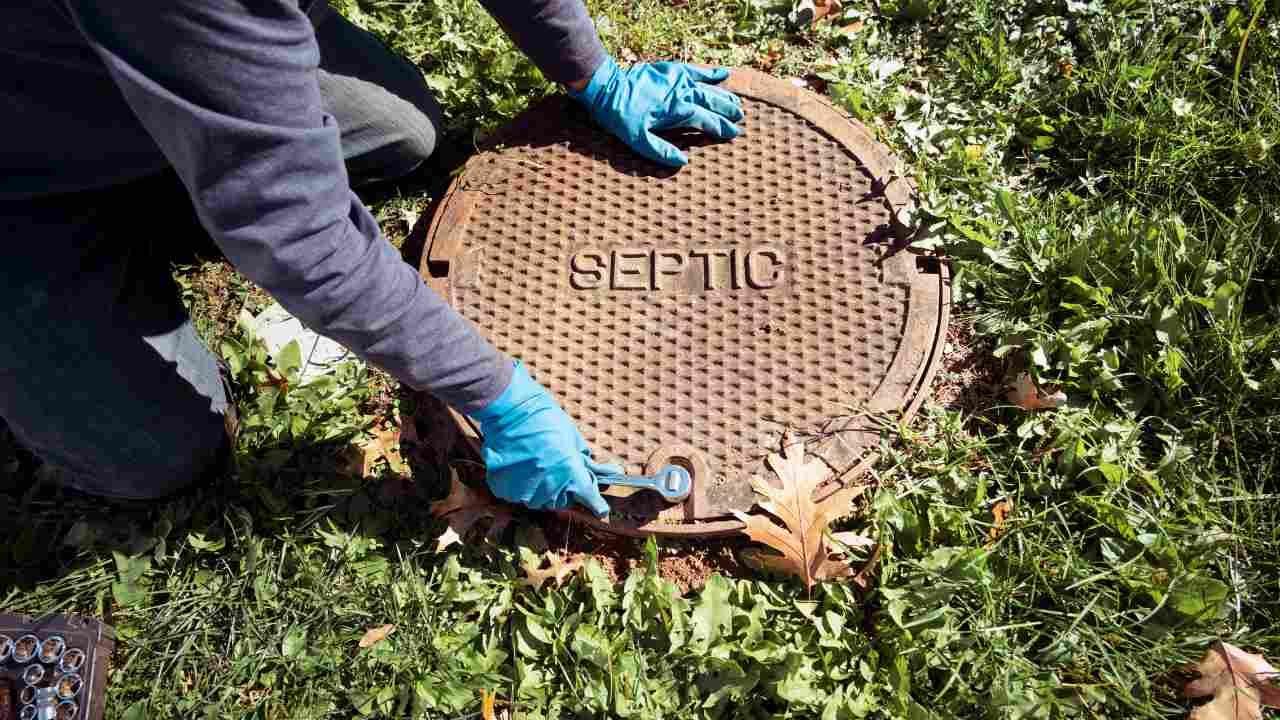

- Miami
- Coral Gables
- Hialeah
- Kendall
- Doral
- Cutler Bay
- Homestead
- Miami Gardens
Serving Miami-Dade, Broward and West Palm Beach
[email protected]
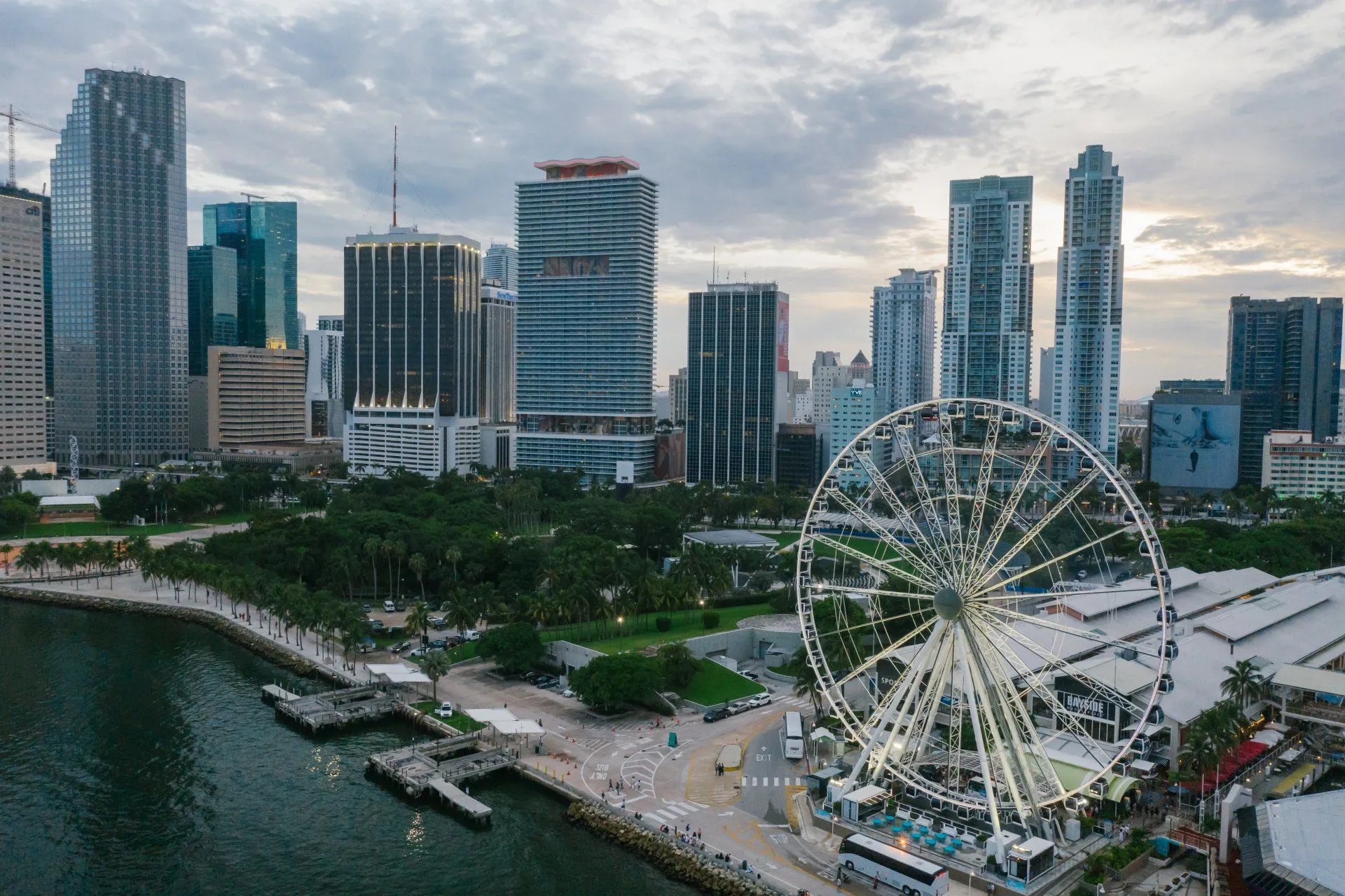
Our main service area
Septic Tank Service in Miami-Dade County, FL
Septic Masters is a Miami-Dade septic tank company based at 3250 Mary St #307 in Coconut Grove. We pump, inspect, repair and install septic systems and clean grease traps for homes and businesses across Miami-Dade County, our main service area. Call (786) 282-8690 to schedule.
Request Service in Miami-Dade
Tell us the address and the service you need.
Prefer to talk? Call (786) 282-8690
Septic service in Miami-Dade County
Septic Services Across Miami-Dade
Miami-Dade is where Septic Masters is based and where most of our work happens, for single-family homes, rental properties, restaurants and other businesses that are not on public sewer.
Septic tank pumping and cleaningThe service most Miami-Dade homes on septic need on a regular schedule. Septic tank repairBaffles, lids, pipes and drain fields, often found during a pump-out. Septic tank inspectionFor upkeep, troubleshooting and Miami-Dade home sales. Grease trap cleaningFor restaurants and commercial kitchens, with county grease rules explained. Septic tank installationNew and replacement systems built to Miami-Dade's current standards.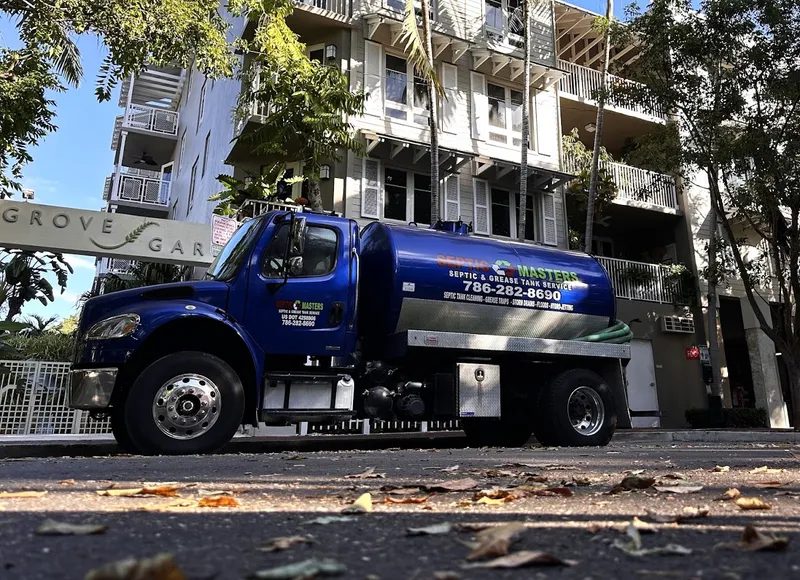
Our home base
Based in Coconut Grove
Septic Masters works out of Coconut Grove in the city of Miami and serves properties throughout Miami-Dade County.
3250 Mary St #307Miami, FL 33133
(786) 282-8690
Rising groundwater
Why Groundwater Matters for Miami-Dade Septic Tanks
A drain field only works when there is dry soil beneath it to filter the wastewater. In low-lying parts of Miami-Dade, the water table sits close to the surface, and the county is tracking which septic systems are most at risk.
About 9,000
septic systems in Miami-Dade are vulnerable to compromise or failure under current groundwater conditions.
About 13,500
systems are expected to be vulnerable by 2040 as groundwater conditions change.
12,000
properties are getting public sewer laterals because sewer is available or they are most vulnerable to rising groundwater.
What it means for your system
According to the EPA, a drain field is a shallow excavation made in unsaturated soil. When groundwater rises into that space, wastewater has nowhere to filter, which can lead to slow drains, odors and wet ground over the field, especially after heavy rain.
What you can do
Keep the tank on a regular pumping schedule so solids do not reach the drain field, and have the system checked if problems show up after storms. See septic tank pumping and septic inspections.
Sources: Miami-Dade County, Connect 2 Protect; Miami-Dade County, Septic System Care; U.S. EPA, How Your Septic System Works
Customer Reviews
What Miami Customers Say About Septic Masters
Real reviews from homeowners and businesses in Miami-Dade and Broward, pulled live from our Google Business Profile. Read what they say about the work, then decide for yourself.
- Residential and commercial customers
- Miami-Dade and Broward County
- Call (786) 282-8690
Connect 2 Protect
Septic to Sewer Conversion in Miami-Dade
Miami-Dade County's Connect 2 Protect is a multi-year, countywide initiative run by the Water and Sewer Department (WASD) to move properties off septic and onto public sewer, starting with the most vulnerable areas.
Check your property
In unincorporated Miami-Dade, the county's iWASD Connect GIS Viewer shows whether a property has septic or sewer service. If you are in a city, contact your local water and sewer department.
Help for homeowners
Eligible homeowners may receive up to $15,000 through the county's Septic-to-Sewer Financial Assistance Program, as a grant, a zero-interest loan or a low-interest loan depending on household income. A Homestead Exemption is required.
Commercial corridors
WASD is investing $126 million in bond funds to convert more than 1,000 commercial properties along five commercial corridors from septic to county sewer.
A separate project will bring sewer to more than 300 homes in the Little River area.
The old tank
Connecting to sewer does not make the septic tank disappear. Florida's onsite sewage rule requires a permit to abandon a septic system, and Miami-Dade sets a deadline to connect once sewer is available. See our installation page for the county's 90-day rule.
Waiting for sewer? The county asks owners to keep inspecting and maintaining their septic systems until they connect. A tank that fails before sewer arrives still needs service, so stay on your pumping schedule.
Call (786) 282-8690Sources: Miami-Dade County, Connect 2 Protect; Florida Administrative Code, Rule 62-6.003
County guidance
Miami-Dade's Septic Care Tips for Homeowners
Miami-Dade County recommends having a septic system inspected and pumped at least every three to five years by a septic professional, or sooner if you suspect a problem. Its other tips for county homeowners:
Watch water use
The county says a family of four uses about 300 gallons of water a day. Spreading out laundry and fixing leaks reduces strain on the drain field.
Keep chemicals out
Drain cleaners, toilet bowl cleaners, paint solvents, wipes and kitchen grease do not belong in a septic system. Toilet paper is designed to break down in the tank.
Protect the drain field
Do not drive or park over the system, keep the drain field covered with grass, and keep shrubs and trees away from it.
Source: Miami-Dade County, Septic System Care. For a Florida-specific schedule, read how often a septic tank should be pumped in Florida.
Service Areas
Septic Service Across Miami-Dade and Broward County
Septic Masters is based in Miami and works on homes and businesses throughout Miami-Dade and Broward County. Not sure if your property is in our area? Give us a call.
- Fort Lauderdale
- Hollywood
- Pembroke Pines
- Davie
- Weston
- Plantation
- Sunrise
- Coral Springs
FAQ
Miami-Dade Septic Questions
Answers to what Miami-Dade homeowners and business owners ask about septic tanks, sewer conversion and service in the county.
Is Miami-Dade converting septic to sewer?
Yes, in stages. Miami-Dade's Connect 2 Protect is a multi-year, countywide initiative run by the Water and Sewer Department to extend sewer service to properties now on septic, starting with the most vulnerable areas. It includes a $126 million program for more than 1,000 commercial properties.
Connect 2 Protect →How many septic systems are in Miami-Dade County?
Miami-Dade County has identified over 120,000 residential and commercial septic systems in use. The county estimates that about 9,000 are vulnerable to compromise or failure under current groundwater conditions, rising to about 13,500 by 2040.
Miami-Dade County, Septic System Care →Can I check online whether sewer is available at my Miami-Dade property?
In unincorporated Miami-Dade, the county's iWASD Connect GIS Viewer shows whether a property has septic or sewer service. Properties inside a city should check with that city's water and sewer department.
Connect 2 Protect →Is there financial help to connect to sewer in Miami-Dade?
Eligible homeowners may receive up to $15,000 through the county's Septic-to-Sewer Financial Assistance Program, as a grant, a zero-interest loan or a low-interest loan depending on household income. A Homestead Exemption is required.
Connect 2 Protect →Do I still need to pump my septic tank if sewer is coming?
Yes. Until the property is connected, the septic system is still treating all of your wastewater, and the county asks owners to keep inspecting and maintaining it. A tank that is overdue can back up or damage the drain field before sewer arrives.
About septic tank pumping →Does Septic Masters serve all of Miami-Dade County?
Miami-Dade is our main service area, and our office is at 3250 Mary St #307 in Coconut Grove. Call (786) 282-8690 to confirm service at your address.
Contact Septic Masters →
Talk to Septic Masters
Septic Problem or Routine Pumping? Let's Get It Scheduled.
Call to talk it through with our team, or send a few details about your property and what is going on. We will follow up to confirm the service and a time that works for you.
Have this ready when you call
- The property address, and whether it is a home or a business
- What you are noticing, such as slow drains, odors or a backup
- When the tank was last pumped, if you know
Septic Masters, Miami
Get In Touch
Call to talk to the team, or send a quote request online.
Call now(786) 282-8690
- Who we serveHomes and businesses
- Service areaMiami-Dade, Broward and West Palm Beach
- ReviewsRead our Google reviews
Sewage backing up right now? Call us instead of sending a request.