
How Often Should a Septic Tank be Pumped in Florida?
If you live in Florida, understanding how often to pump your septic tank is essential for maintaining your home's plumbing system. Pump too rarely and solids build up until drains slow down or back up. Pump on a sensible schedule and the system keeps doing its job quietly. Let's break it down.
Why Pumping is Important
Septic tanks play a crucial role in treating wastewater from your home. Solids settle to the bottom as sludge, grease and oils float to the top as scum, and the liquid in between flows out to the drain field. Over time, the sludge and scum layers grow. If they aren't removed, solids can reach the outlet and move into the drain field, where they clog the soil and lead to slow drains, odors and backups. Regular pumping not only helps avoid these headaches but also extends the life of your system.
How Often Should You Pump?
According to the EPA, household septic tanks are typically pumped every three to five years. Homes with a pump, float switch or aerobic treatment unit need more attention: the EPA says those systems should generally be inspected once a year. However, several factors can influence this timeline:
Household size: More people produce more waste, leading to quicker buildup.
Tank size: Larger tanks can hold more waste, extending the time between pumps.
Water usage: Excessive water use or flushing non-biodegradable items can increase the need for pumping.
Garbage disposal: If you have a garbage disposal, you may need to pump more frequently.
In Florida, where the climate can affect septic system performance, keeping an eye on your tank is even more critical.
Why the water table matters in Miami-Dade and Broward
In Miami-Dade, the bigger local factor is groundwater. Miami-Dade County notes that in South Florida, groundwater is "just a few feet beneath the surface," and it is usually closest to the surface at the end of the wet season, around September and October. When the soil under the drain field is that wet, it absorbs less water from the tank, so a tank that is already close to full is more likely to cause slow drains or backups late in the rainy season. If your pump-out is due and the yard is still soggy after a storm, ask whether to wait for the ground to drain first. The EPA advises against pumping a tank while the drain field is flooded or saturated.
Signs Your Tank Needs Pumping
You don't always have to wait for the scheduled date to check if your tank needs pumping. Look out for these signs:
Slow drains: If your sinks or toilets are draining slowly, it could indicate a full tank.
Bad odors: Unpleasant smells around your yard can signal an overflow.
Pooling water: Puddles near your drain field are a red flag.
Backups: Frequent toilet backups are a definite warning sign.
If you notice any of these signs, it's a good time to book a septic tank pumping visit, even if your usual date hasn't come up yet. A professional can evaluate your system and recommend pumping if necessary.
Benefits of Regular Pumping
Regular septic tank pumping comes with several benefits:
Prevents emergencies: Addressing issues before they become emergencies can save you time and money.
Protects groundwater: A well-maintained septic system reduces the risk of contaminants entering groundwater.
Avoids bigger repairs: Regular maintenance helps you avoid bigger repairs caused by neglect.
Finding a Reliable Service
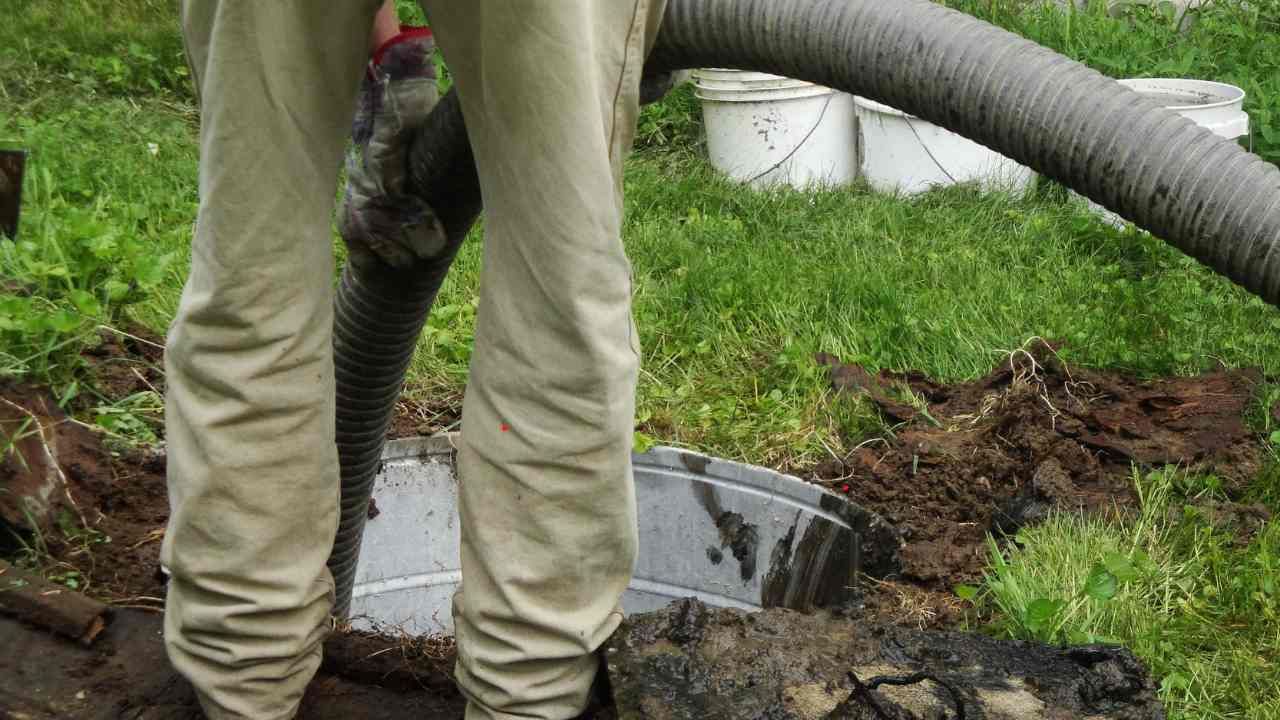
When it comes to septic tank pumping in Miami, FL, choose a reputable service provider. A good pump-out is more than emptying the tank. On a pumping visit, Septic Masters removes the sludge and scum layers, checks the tank while it's open, and gives you a recommended date for the next service based on what we found. We pump septic tanks for homes and businesses across Miami-Dade County and Broward County, where the same high water table affects how quickly a full tank turns into a drain problem.
Questions to Ask Your Service Provider
How often should I pump my tank based on my household?
What services do you provide during pumping?
Can you perform a full inspection while you're here?
Schedule Your Next Pump-Out
How often your tank needs pumping depends on your household, your tank size and, in South Florida, how high the water table sits. If you don't know when your tank was last pumped, or your drains have slowed down since the rainy season started, call Septic Masters at (786) 282-8690 or request a quote online. We'll pump the tank, tell you what we saw, and let you know when your next service should be.