
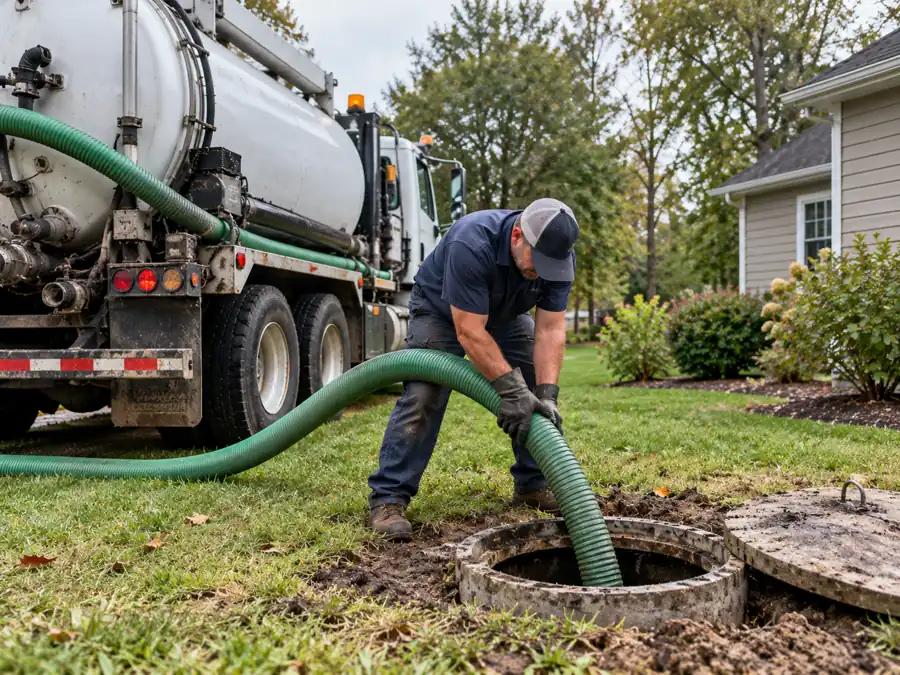
What Affects Septic Tank Pumping Cost in Miami-Dade and Broward
Two South Florida homes with the same size tank can get very different quotes for a pump-out. One tank sits under an easy-to-open lid beside the driveway and was pumped on schedule. The other is buried under sod in a fenced backyard, hasn't been serviced in years, and the ground around it is still soaked from the rainy season. Septic tank pumping cost comes down to the work involved, and most of that work can be predicted before the truck arrives.
The biggest factors in septic pumping cost are the size of the tank, how long it has been since the last pump-out, how easy the tank lid is to find and reach, how far the truck has to run its hose, and anything the technician finds while the tank is open. Knowing these ahead of time helps you compare quotes fairly and avoid surprises on the day of service.
Lighter job or bigger job: a quick comparison
Factor | Usually a lighter job | Usually a bigger job |
|---|---|---|
Tank size | Smaller residential tank | Larger tank or a tank with more than one compartment |
Time since last pump-out | Pumped on a regular schedule | Several years overdue, with thick sludge |
Finding the lid | Lid or riser at ground level and marked | Lid buried, location unknown |
Reaching the tank | Truck can park close by | Long hose run, fenced yard, tight access |
Condition of the tank | Normal levels, outlet clear | Backup, blocked filter or baffle, signs of damage |
Ground conditions | Dry yard | Soil saturated after heavy rain |
System type | Conventional tank and drain field | System with a pump, alarm or aerobic treatment unit |
1. The size of the tank
More gallons means more waste to pump, haul and dispose of. Tank size is usually set by the size of the home when the system was installed, and some tanks have two compartments that both need to be pumped. If you know your tank's size from your purchase paperwork, permit records or a past invoice, share it when you ask for a quote. It's the first thing a septic company needs to know.
2. How long it's been since the last pump-out
A tank that is pumped on a regular schedule holds mostly liquid with a manageable layer of sludge on the bottom and scum on top. A tank that has gone years without service can have thick, compacted sludge that takes longer to break up and remove. The EPA says household septic tanks are typically pumped every three to five years, depending on household size, the amount of wastewater, the solids going in and the size of the tank. Staying close to that range is one of the easiest ways to keep each visit routine.
If you aren't sure whether your tank needs service yet, our guide to the signs your septic tank needs pumping can help.
3. Finding and opening the tank lid
The technician has to get to the tank before pumping can start. On many properties the lid sits just below the surface and is easy to uncover. On others it's buried under sod, landscaping, pavers or a deck, and nobody in the house knows exactly where it is. Locating and digging down to a lid adds time to the job.
Ways to make this part easier:
Look for an old invoice or a site drawing that shows the tank location.
Mark the lid once it's found so it's easy to reach next time.
Ask about a riser, which brings the tank opening up to ground level for future service.
4. How far the truck is from the tank
Pump trucks run a hose from the truck to the tank. A tank near the driveway is straightforward. A tank behind the house, across a fenced yard or on a tight lot may need a longer hose run and more setup. Before the visit, let the company know about gates, parked cars, pets or anything else between the street and the tank, and make sure someone can unlock the gate.
5. What the technician finds while the tank is open
A septic pumping visit is also a chance to look inside the tank. A technician can see the liquid level, the inlet and outlet, the baffles and, on newer tanks, the effluent filter. If everything looks normal, the job ends with the pump-out. If the outlet is clogged, a baffle is damaged, or the tank was backing up into the house, there may be more work to talk about.
That's not a reason to worry about the visit. It's a reason to ask, before work starts, what is included in the pumping price and how the company handles anything extra it finds. If a backup is part of the reason you're calling, our article on common causes of septic backups explains which problems a pump-out solves and which it doesn't.
6. Ground conditions and timing
In South Florida, the water table matters for scheduling. Miami-Dade County notes that groundwater here is "just a few feet beneath the surface" and is usually closest to the surface at the end of the wet season, around September and October. The EPA advises against pumping a tank while the drain field is flooded or saturated, because an emptied tank in waterlogged soil can shift and damage the pipes.
If your yard is still soaked after a storm, the right move may be to cut back on water use and wait for the ground to drain before pumping. When the pump-out isn't urgent, booking it during drier weather keeps the visit simple.
Sources: Miami-Dade County, Connect 2 Protect and U.S. EPA, Septic Systems: What to Do after the Flood.
7. The type of system you have
A conventional system is a tank and a drain field. Some properties also have a pump, float switches, an alarm or an aerobic treatment unit. The EPA says systems with these mechanical parts should generally be inspected once a year and recommends a service contract for them. Those extra components can add to what a service visit includes beyond the pump-out itself.
Why quotes vary from one company to another
The most common frustration with septic service is a price that changes on the day of the job. That usually happens when a quote is given without knowing the tank size, where the lid is, or what condition the system is in. A lower number on the phone isn't always the lower bill if digging, extra hose or disposal is added later.
The fairest way to compare is to give every company the same information and ask the same questions:
What does the pumping price include, and what would cost extra?
Is locating and uncovering the lid included?
How is disposal of the waste handled and billed?
Will you check the baffles, outlet and filter while the tank is open?
If you find a problem, will you explain it before doing more work?
How to keep pumping cost predictable
Pump on a regular schedule so sludge never has time to build up and harden.
Know your tank size and lid location, and keep the paperwork from every service visit.
Keep the lid accessible. Avoid building decks, planters or pavers over it.
Watch what goes down the drain. Grease, wipes and food scraps add solids that fill the tank faster.
Spread out heavy water use, such as laundry, so the tank isn't overloaded.
Restaurants and other commercial kitchens have different needs. Grease traps are serviced on their own schedule; see our grease trap cleaning page.
Frequently asked questions
How much does it cost to pump a septic tank?
It depends on the job. The main factors are the size of the tank, how long it has been since the last pump-out, how easy the lid is to find and reach, how far the truck is from the tank, and whether any problems are found while the tank is open. For an accurate quote, share your tank size and lid location when you call.
How often do you really need to pump your septic tank?
The EPA says household septic tanks are typically pumped every three to five years. The right schedule for your home depends on how many people live there, how much water you use, the solids going into the tank and the size of the tank.
Does a bigger septic tank cost more to pump?
Usually, yes. A larger tank holds more waste to pump, haul and dispose of. A tank with two compartments also needs both sides pumped. Size is only one factor, though. A small tank that is badly overdue or hard to reach can be more work than a larger tank serviced on schedule.
What are the signs that your septic tank is full?
Common signs include slow drains throughout the house, gurgling pipes, sewage odors near the tank or drain field, and soggy ground or unusually green grass over the drain field. If several drains are affected at once, the tank or main line is the likely source.
Why does it cost more when the tank lid is buried?
The technician has to find the tank and dig down to the lid before pumping can start, which adds time to the visit. Marking the lid after it's found, or adding a riser that brings the opening to ground level, makes future service easier.
Get a septic pumping quote in Miami-Dade or Broward
Septic Masters pumps septic tanks for homes and businesses across Miami-Dade and Broward County. To get a quote, call us at (786) 282-8690 or request one online, and let us know your tank size, where the lid is if you know, and when the tank was last pumped. You can read more about what a visit includes on our septic tank pumping service page.