A Step-by-Step Guide to Professional Septic Tank Cleaning
Septic problems don’t show up overnight, but when they do, they hit hard. Slow drains, foul odors, and backups can quickly turn into expensive headaches if ignored. The good news? Regular septic tank cleaning keeps everything running smoothly and avoids major repairs.
In this guide, you’ll learn exactly how professional septic cleaning works, why it matters, and what to expect from start to finish. Whether you're maintaining your system or dealing with early warning signs, this step-by-step breakdown will give you clarity and control.
Why Septic Tank Cleaning Matters
If you own a property with a septic system, maintenance isn’t optional, it’s critical. Many homeowners searching for septic tank cleaning in Miami only act when problems surface, but that’s already late in the game.
Routine cleaning helps you:
Prevent sewage backups into your home
Extend the lifespan of your septic system
Avoid costly emergency repairs
Maintain proper drainage and hygiene
Professional septic tank services are designed to remove buildup before it becomes a serious issue. Think of it like changing your car’s oil: skip it long enough, and the damage adds up fast.
Step 1: Initial Inspection
Before any cleaning begins, professionals start with a full inspection. This step ensures they understand the condition of your tank and identify any underlying issues.
During this stage, technicians will:
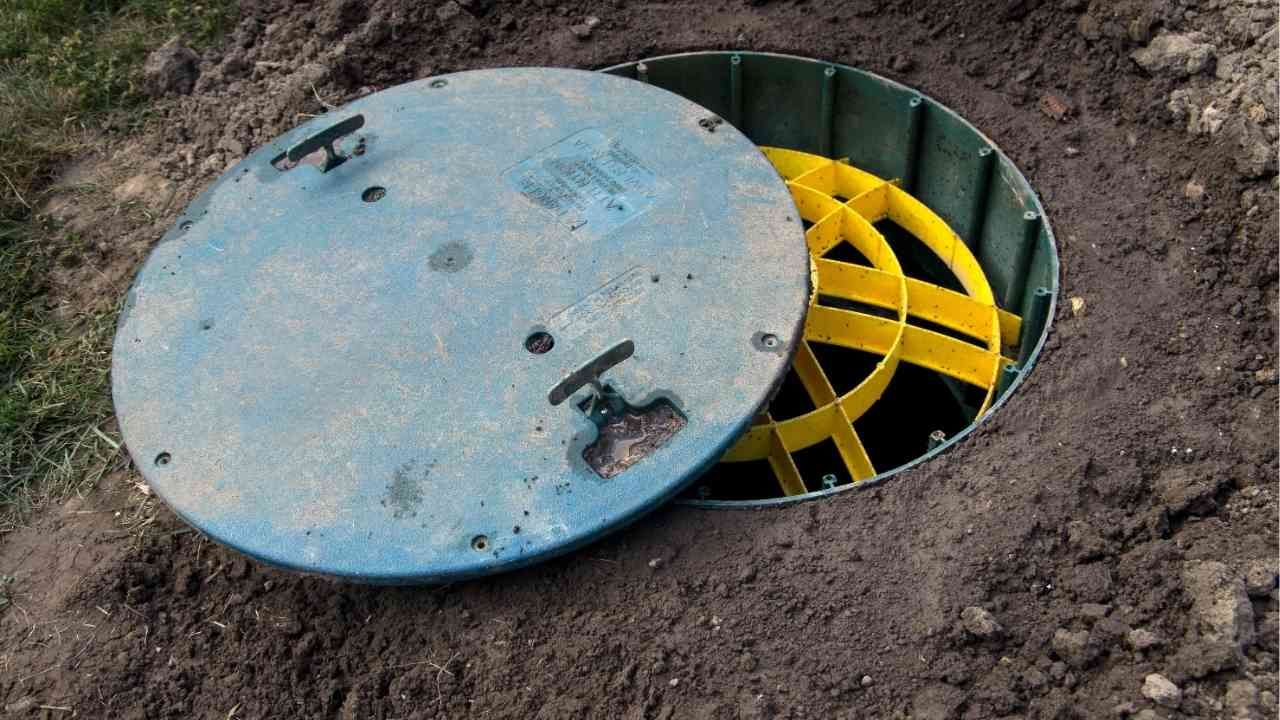
Locate the septic tank
Check sludge and scum levels
Inspect pipes and connections
Look for leaks or damage
This isn’t guesswork, it’s a calculated approach that helps septic cleaning companies determine how intensive the cleaning process needs to be.
Step 2: Pumping the Tank
Once the inspection is complete, the actual cleaning begins with pumping.
Here’s what happens:
A vacuum truck is connected to your septic tank
Waste, sludge, and floating debris are removed
The tank is emptied thoroughly
This step is the core of the entire process. Over time, solid waste builds up and reduces your tank’s capacity. Pumping clears everything out, restoring proper function.
Step 3: Deep Cleaning and Rinsing
After pumping, professionals don’t just pack up and leave. A proper cleaning includes rinsing the tank to remove leftover residue.
This step involves:
Spraying down tank walls
Breaking up hardened sludge
Flushing out remaining debris
This ensures your tank is not only empty but also clean and ready to function efficiently again.
Step 4: System Check and Recommendations
Once cleaning is complete, technicians perform a final system check.
They’ll typically:
Reassess tank condition
Check for cracks or structural issues
Evaluate drainage performance
If they spot anything concerning, they’ll recommend repairs or maintenance steps. This proactive approach helps you avoid bigger problems later.
Case Study: A Costly Delay Turned Lesson
A homeowner ignored minor drainage issues for over a year, assuming it was just slow plumbing. Eventually, sewage backed up into their bathroom, causing damage that cost over $5,000 to fix.
After calling professionals, they discovered the tank hadn’t been cleaned in years. A routine cleaning would have cost a fraction of the repair bill. Since then, the homeowner schedules regular maintenance and hasn’t had a single issue.
How Often Should You Clean Your Septic Tank?
There’s no one-size-fits-all answer, but most experts recommend:
Every 3–5 years for average households
More frequently for larger families
Sooner if you notice warning signs
Watch for these red flags:
Slow drains
Gurgling pipes
Unpleasant odors
Wet spots in your yard
If you notice any of these, don’t wait, it’s time to act.
Final Thoughts
Septic tank cleaning isn’t glamorous, but it’s one of the smartest investments you can make for your property. Done right, it protects your home, saves money, and keeps everything running without disruption.
If you want peace of mind and a system that works when you need it most, schedule your next septic cleaning with a trusted professional today.