How Septic Waste Is Removed, Transported, and Disposed Of
Most homeowners never see what happens after wastewater leaves the house. That is probably a good thing. But every shower, toilet flush, sink drain, and laundry cycle sends waste into a system that needs careful handling. When a septic system works well, it is quiet, clean, and easy to forget. In this guide, you will learn how septic waste is pumped out, moved safely, treated, and disposed of without putting homes, workers, or the environment at risk.
In Miami’s humid climate, homeowners often schedule septic tank pumping in Miami FL before odors, slow drains, or backups become expensive problems. A professional Miami FL septic tank inspection can also uncover cracks, heavy sludge buildup, or drainage issues before they turn into emergencies. Reliable septic cleaning companies use specialized trucks, trained crews, and strict disposal procedures to make the process safe from start to finish.
Step 1: Inspecting the Septic System
Before waste is removed, the technician usually checks the tank location, access lids, liquid level, and signs of trouble around the drain field. This first step matters because pumping without inspection can miss deeper problems.
The technician may look for:
Sewage smells near the tank or yard
Standing water above the drain field
Slow drains inside the home
Cracks, leaks, or damaged tank lids
Excess sludge or scum buildup
A septic tank has three main layers: scum on top, wastewater in the middle, and sludge at the bottom. Pumping removes the heavy solids and floating waste that the system cannot safely break down on its own.
Step 2: Pumping Waste From the Tank
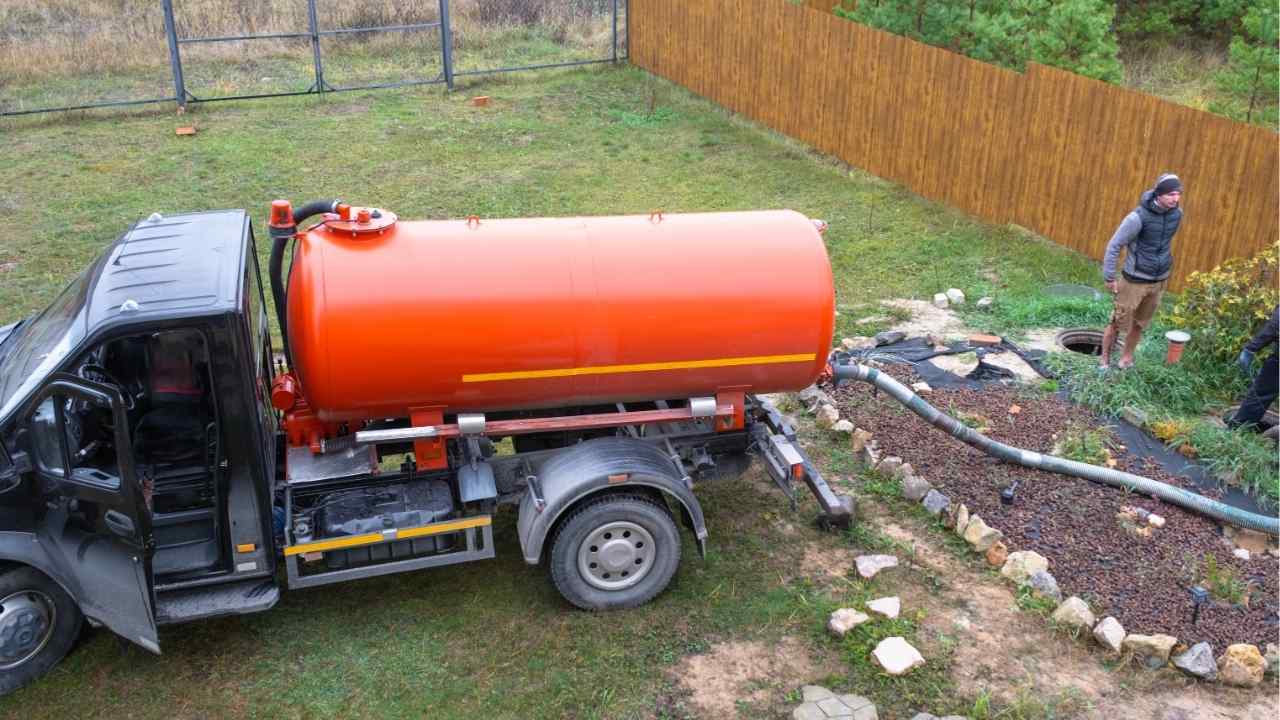
Once the tank is opened, the crew connects a large vacuum hose from the pump truck to the septic tank. The truck creates suction that pulls sludge, scum, and wastewater into a sealed holding tank.
This is not just a “suck it out and leave” job. A skilled technician may stir the tank contents to loosen compacted sludge and make sure the tank is properly cleared. They may also rinse the tank walls and inspect the inside for structural problems.
Good pumping helps prevent:
Sewage backups into the home
Drain field overload
Bad odors around the property
Costly tank repairs
Premature system failure
How often a tank needs pumping depends on household size, water use, tank size, and what goes down the drains. A home with five people will usually fill a tank faster than a home with two.
Step 3: Transporting Septic Waste Safely
After pumping, the waste is sealed inside the vacuum truck. For homes in Hialeah and across Miami-Dade, that means waste is hauled directly to a licensed treatment facility, not dumped or stored on-site. These trucks are built to prevent leaks, spills, and exposure during transport. Drivers must follow safety rules because septic waste contains bacteria, viruses, chemicals, and organic solids.
The truck does not simply dump waste anywhere. It is taken to an approved treatment facility or disposal site. During transport, the crew must protect public roads, nearby properties, and waterways from contamination.
This part of the process is one reason homeowners should hire licensed professionals. Improper disposal can harm the environment, create health hazards, and lead to serious fines.
Step 4: Treating and Disposing of the Waste
At the treatment facility, septic waste is processed to separate liquids from solids. Liquids may go through screening, settling, biological treatment, and disinfection. Solids may be treated further, dried, composted, or sent to approved disposal areas depending on local rules.
The goal is simple: remove harmful contaminants before anything returns to the environment. Treated water may be released only when it meets safety standards. Treated solids may sometimes be reused in controlled ways, but only after proper processing.
This is why septic waste management is more technical than many homeowners realize. It is not just cleaning a tank. It is a chain of inspection, removal, hauling, treatment, and responsible disposal.
Short Case Study: Catching a Problem Early
A Miami homeowner noticed occasional gurgling sounds after laundry days but ignored them for several weeks. When a technician inspected the system, the tank was nearly full and the outlet filter was clogged. The crew pumped the tank, cleaned the filter, and checked the drain field before any sewage backup occurred. The homeowner avoided interior damage, emergency cleanup costs, and possible drain field failure. The lesson was clear: small warning signs should not be brushed off. A timely service call can save thousands of dollars and protect the home from a messy, stressful problem.
Final Thoughts
Septic waste removal is a controlled process that protects your home, your yard, and your local environment. From inspection to pumping, transport, treatment, and disposal, every step matters.
Curious where your waste actually goes, or ready to schedule a pickup? See our pumping service for homes across Hialeah and Miami-Dade, or call (786) 282-8690.