
New Septic System Installation in Miami: Step-by-Step Guide
Installing a new septic system is not the kind of project you want to approach casually. In Miami, soil conditions, water tables, permitting rules, and property layout all play a major role in how the system is designed and built. A well-installed system can serve a property for decades, while a rushed or poorly planned one can lead to backups, odors, drainage problems, and expensive repairs.
This guide walks you through the basic steps of new septic system installation so you know what to expect before the work begins. You will learn how the process usually starts, what happens during design and permitting, and why hiring the right septic professional matters.
1. Start With a Site Evaluation
Before anything is installed, the property needs to be evaluated. This step helps determine whether the land can support a septic system and what type of setup is appropriate.
A qualified septic tank contractor in Miami Florida will usually look at the size of the property, soil conditions, drainage patterns, nearby structures, wells, setbacks, and available space for the drain field. In Miami, this step is especially important because many areas have sandy soil, high groundwater, or limited yard space.
The evaluation may include:
Soil testing
Property measurements
Review of local code requirements
Drain field location planning
Access planning for equipment
This early step prevents costly mistakes later. It also helps avoid placing the system too close to buildings, property lines, water sources, or areas with poor drainage.
2. Design the Septic System
Once the property has been evaluated, the next step is system design. Septic systems are not one-size-fits-all. The right design depends on the number of bedrooms, estimated water usage, lot size, soil absorption rate, and local health department requirements.
For a standard septic tank installation service in Miami, the design typically includes the septic tank, inlet and outlet pipes, distribution box, and drain field. Some properties may need additional components, depending on site conditions.
The design phase answers key questions such as:
What tank size is required?
Where will the tank be placed?
Where will wastewater flow after leaving the tank?
Is a standard drain field enough?
Are pumps or special treatment units needed?
Good design is what makes the system reliable. If the system is too small, poorly placed, or badly matched to the property, it can fail much sooner than expected.
3. Get the Required Permits
Septic installation in Miami must follow local and state regulations. Before digging begins, permits usually need to be reviewed and approved by the proper authorities. This protects the property owner and helps make sure the system is safe for the environment.
Professional septic installation companies often help with the permitting process because they understand what documents, drawings, and inspections are required. This can save time and reduce back-and-forth delays.
Permitting may involve:
Submitting a septic system plan
Providing property details
Showing tank and drain field locations
Meeting setback requirements
Scheduling inspections
Do not skip this step. Unpermitted work can create serious problems when selling the property, filing insurance claims, or correcting a failed system later.
4. Prepare the Property for Installation
After permits are approved, the installation crew prepares the site. This may include marking utilities, clearing access areas, protecting landscaping where possible, and setting up equipment.
The crew will excavate the area for the septic tank and drain field. The depth and layout depend on the approved design. Because Miami properties can vary widely, the excavation process may be simple on one lot and more complicated on another.
During this stage, homeowners should keep the work area clear. Vehicles, pets, children, and outdoor furniture should be moved away from the installation zone.
5. Install the Tank and Drain Field
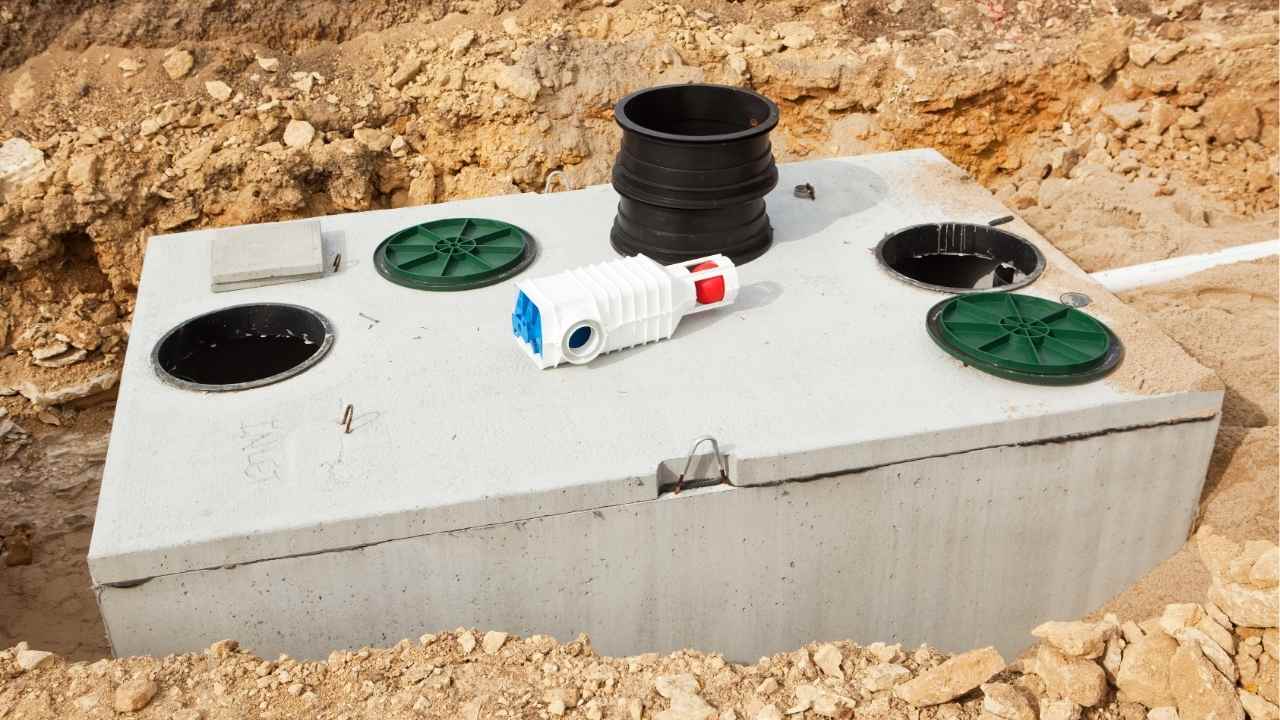
The septic tank is placed into the excavated area and connected to the home’s plumbing line. From there, wastewater flows into the tank, where solids settle and liquids move toward the drain field.
The drain field is then installed to distribute treated wastewater into the soil. This part of the system must be carefully built because it handles the final stage of wastewater treatment.
A proper installation should include:
Correct tank placement
Secure pipe connections
Proper slope for wastewater flow
Drain field layout according to plan
Backfilling without damaging components
Once the system is installed, inspections may be required before the area is fully covered.
6. Final Inspection and Homeowner Guidance
After installation, the system is inspected to confirm it matches the approved plan. Once approved, the area is backfilled and graded. The contractor should also explain how to care for the new system.
Basic septic care includes avoiding grease down the drain, limiting harsh chemicals, conserving water, and keeping heavy vehicles off the drain field. Regular pumping and inspections also help extend the life of the system.
Short Case Study
A Miami homeowner planned to add a new septic system before remodeling a small older property. At first, they assumed the tank could go in the most open part of the yard. After the site evaluation, the contractor found that setbacks and drainage conditions made that location unsuitable. The design was adjusted before permits were submitted, avoiding delays and future failure risks. By addressing the issue early, the homeowner saved money, passed inspection smoothly, and ended up with a system better matched to the property.
Final Thoughts
A new septic system is a major investment, but the process becomes much easier when you understand each step. From site evaluation and design to permits, excavation, installation, and inspection, every stage matters. Work with experienced professionals, ask questions early, and make sure the system is built for your property’s real conditions.
Ready to plan your installation? Schedule a professional septic evaluation before making any major property or plumbing decisions.