
Can a Septic Inspection Detect Drain Field Problems?
A septic system can look perfectly fine on the surface while trouble is already building underground. That is what makes drain field problems so frustrating for homeowners: by the time the warning signs become obvious, the repair may already be expensive. A septic inspection helps catch those issues earlier, before soggy grass, sewage odors, or slow drains turn into a major headache.
In this guide, you will learn how septic inspections work, what they can reveal about your drain field, and when it is time to call a professional for help.
Why the Drain Field Matters So Much
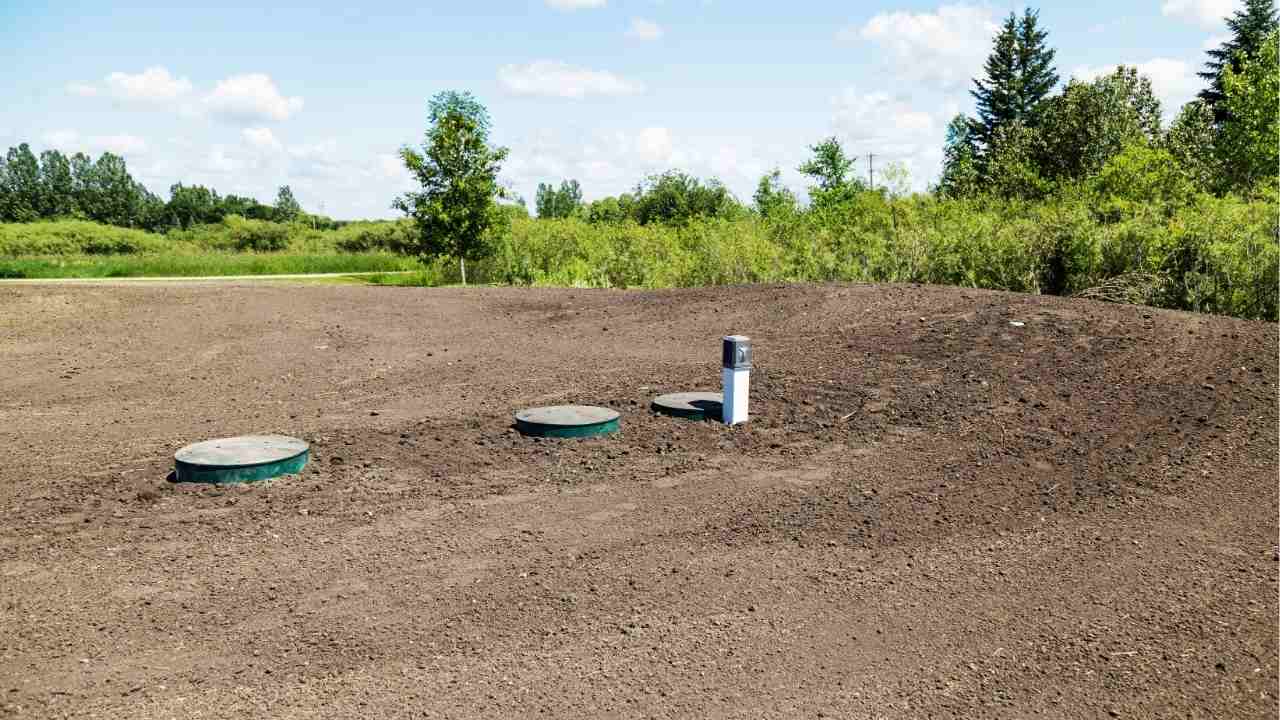
Your drain field is one of the most important parts of your septic system. After wastewater leaves the septic tank, it flows into the drain field, where soil naturally filters and treats the liquid before it returns to the ground.
When the drain field works properly, most homeowners barely think about it. But when it fails, the entire septic system can back up. That can lead to:
Slow-draining sinks, tubs, and toilets
Sewage odors around the yard
Standing water or muddy patches
Bright green grass over the drain field
Gurgling sounds in plumbing fixtures
Wastewater backing up into the home
For homeowners searching for Miami Florida septic tank services, a professional inspection is often the first step toward finding out whether the issue is inside the tank, in the lines, or out in the drain field.
What a Septic Inspection Can Reveal
A septic inspection in Miami FL can help detect several signs of drain field trouble, especially when the inspector uses more than a basic visual check. The inspection may include reviewing the system layout, checking the tank level, testing drainage, looking for surface water, and inspecting nearby soil conditions.
One of the biggest clues is how wastewater behaves inside the tank. If the liquid level is higher than normal, it may mean the drain field is not accepting water properly. That does not always confirm failure, but it tells the inspector something is wrong downstream.
Inspectors also look for wet or unusually lush areas in the yard. A patch of grass that grows faster and greener than the rest of the lawn may be getting too much wastewater. In some cases, they may also use cameras, probes, or dye testing to track flow and identify possible blockages.
Good septic tank care also includes checking for signs that the system has been overloaded by too much water, poor maintenance, or years of buildup.
What an Inspection Cannot Always Confirm
A septic inspection is powerful, but it is not magic. Some drain field problems are hidden deep underground and may not show obvious symptoms during a short visit. For example, a system might pass a basic inspection during dry weather but struggle after heavy rain or high household water use.
An inspection can often identify warning signs, but it may not always pinpoint the exact damaged section without additional testing. That is why homeowners should be honest about what they have noticed, including slow drains, odors, recent backups, or changes in the yard.
The more information the inspector has, the easier it is to connect the dots.
How to Protect Your Drain Field
Preventing drain field damage is usually cheaper than repairing it. Homeowners can reduce the risk by using the septic system carefully and scheduling regular maintenance.
Here are a few smart habits:
Pump the septic tank on a proper schedule
Avoid flushing wipes, grease, chemicals, and hygiene products
Keep cars, trucks, and heavy equipment off the drain field
Redirect roof gutters and stormwater away from the area
Spread laundry loads throughout the week
Repair leaking toilets and faucets quickly
Small choices matter. Too much water or too much solid waste can stress the system and shorten the life of the drain field.
Short Case Study: A Small Warning Saved a Big Repair
A Miami homeowner noticed one corner of the backyard stayed damp even when it had not rained. At first, they assumed it was a sprinkler issue. After a septic inspection, the technician found the tank level was unusually high and wastewater was moving slowly into the drain field. Because the problem was caught early, the homeowner avoided a full drain field replacement. The solution involved pumping the tank, clearing a partial blockage, and adjusting water use habits. What could have become a major repair stayed manageable because they acted before sewage backed up into the house.
Final Thoughts
Yes, a septic inspection can often detect drain field problems, especially when there are visible symptoms or drainage issues inside the system. It may not reveal every hidden issue immediately, but it gives homeowners a clear starting point and helps prevent small problems from becoming expensive failures.
If your yard smells bad, drains are slow, or the ground near your drain field feels wet, schedule a professional septic inspection before the problem gets worse.
Contact a trusted local septic professional today to inspect your system and protect your drain field before costly damage begins.