
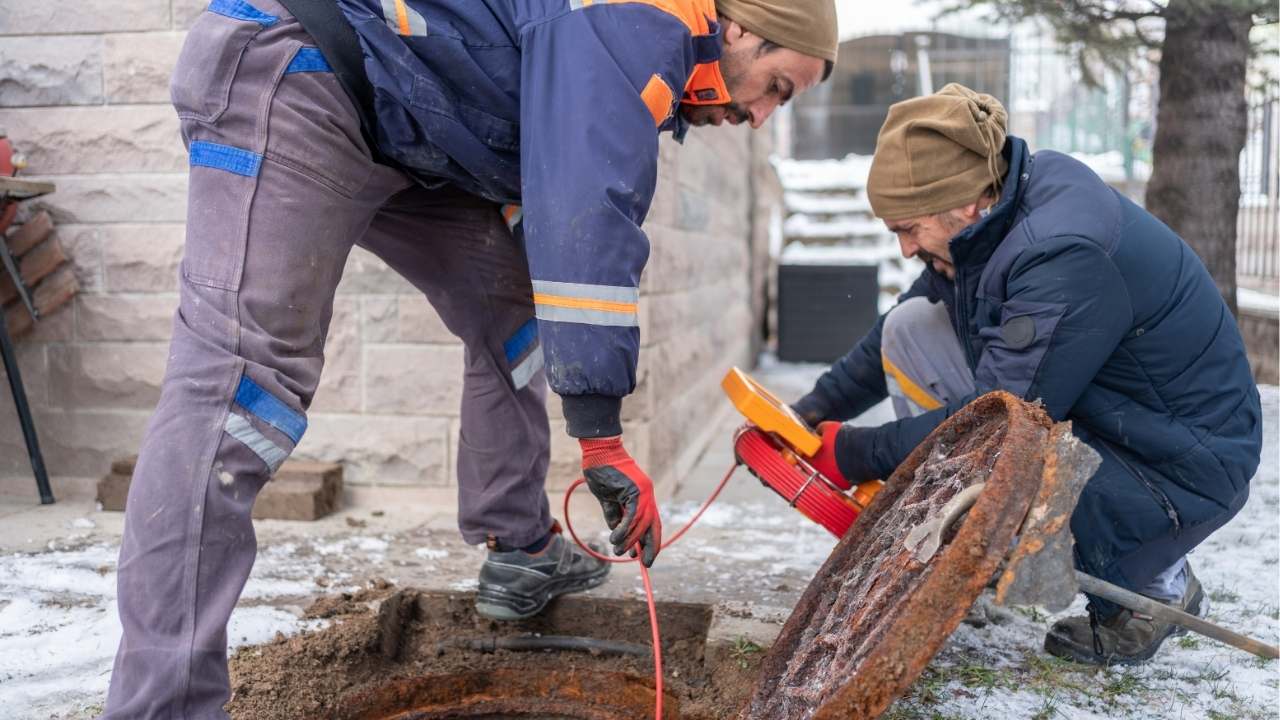
Camera Inspections for Septic Systems: How They Work
Septic problems rarely start with a dramatic backup. More often, they begin quietly underground, where nobody can see what is really happening. That is exactly why camera inspections have become one of the smartest ways to diagnose septic system issues before they turn into expensive repairs.
In this guide, you’ll learn how septic camera inspections work, when they are useful, what technicians look for, and why they can save homeowners time, money, and stress.
What Is a Septic Camera Inspection?
A septic camera inspection uses a small waterproof camera attached to a flexible cable. The technician feeds the camera into septic lines, drainpipes, or other access points to see the inside of the system in real time.
Instead of guessing where a clog, crack, or blockage may be, the technician can view live video from inside the pipe. For homeowners dealing with slow drains, recurring backups, foul odors, or soggy yard spots, this can make the difference between a targeted repair and unnecessary digging.
In areas with heavy rainfall, aging systems, and dense soil conditions, services like Miami Florida septic tank cleaning are often paired with camera inspections to get a clearer picture of the system’s condition. A professional septic tank inspection in Miami FL can reveal hidden problems such as root intrusion, pipe bellies, grease buildup, broken lines, or collapsed sections. Regular septic tank maintenance also becomes easier when homeowners know what is happening below ground.
How the Inspection Process Works
The process usually starts with a brief system review. The technician may ask about symptoms such as slow drains, gurgling toilets, sewage smells, or recent backups. Then, they locate an access point, such as a cleanout, septic tank opening, or drain line entry.
Once the camera is inserted, the technician slowly guides it through the pipe. The camera sends live footage to a monitor, allowing both the technician and sometimes the homeowner to see the condition of the line.
During the inspection, the technician looks for:
Cracks or breaks in the pipe
Tree root intrusion
Grease, sludge, or debris buildup
Low spots where waste collects
Misaligned pipe sections
Signs of corrosion or deterioration
Blockages caused by foreign objects
Many cameras also include location-tracking equipment. This helps the technician mark the exact spot of the problem above ground, which is especially useful if excavation is needed.
When Should You Schedule a Camera Inspection?
A camera inspection is not always needed for every routine septic service, but it is extremely useful when symptoms keep coming back. If your septic system has repeated clogs, unexplained odors, or drainage problems, a camera inspection can show whether the issue is minor or serious.
It is also smart to schedule one before buying a home with a septic system. A standard home inspection may not reveal underground septic problems. A camera inspection can uncover hidden damage before you inherit a major repair bill.
You should also consider an inspection if:
Your home is older
Trees are growing near septic lines
Drains are slow throughout the house
The yard has wet or unusually green patches
You recently had a septic backup
You are planning major landscaping or construction
The goal is simple: find the real issue before it becomes a bigger one.
Why Camera Inspections Save Money
Without a camera inspection, septic diagnosis can involve guesswork. A contractor may know there is a blockage, but not exactly where it is or what caused it. That can lead to unnecessary digging, repeated cleaning, or temporary fixes that do not solve the root problem.
Camera inspections reduce that risk. They help pinpoint the location and cause of the issue, so the repair plan is more accurate. If the problem is just a buildup, cleaning may be enough. If the pipe is cracked or collapsed, the technician can recommend a more permanent repair.
Short Case Study: A Small Problem Caught Early
A homeowner noticed slow drains in two bathrooms but assumed the septic tank simply needed pumping. During service, the technician recommended a camera inspection because the same problem had happened six months earlier. The camera showed a section of pipe where tree roots had entered through a small crack. Because the issue was caught early, the damaged section was repaired before the line collapsed. The homeowner avoided a larger excavation job and prevented a future sewage backup inside the house.
Final Thoughts
Camera inspections give homeowners something they rarely get with septic problems: proof. Instead of relying on assumptions, you can see the condition of your system and make better decisions about cleaning, repair, or replacement.
If your septic system is showing warning signs, contact us to schedule a professional inspection and get clear answers before the problem gets worse.